Kind Therapy Inc. is a nonprofit mental health organization dedicated to eliminating barriers to care by offering culturally responsive, low-cost, and free outpatient mental health therapy for individuals, families, and workplaces.
Through a previous grant, Caring for Denver supported Kind Therapy Inc. in expanding access to pro bono therapy for BIPOC and Spanish-speaking Denver residents to improve mental health outcomes and increase equity in therapeutic experiences. Kind Therapy has since been awarded a new grant to further expand free and affordable, culturally responsive outpatient therapy for immigrant, BIPOC, LGBTQIA+, and neurodiverse Denver residents. By pairing client care with therapist affinity groups, supervision, and training, this work aims to reduce inequities in access while strengthening and sustaining the mental health workforce.
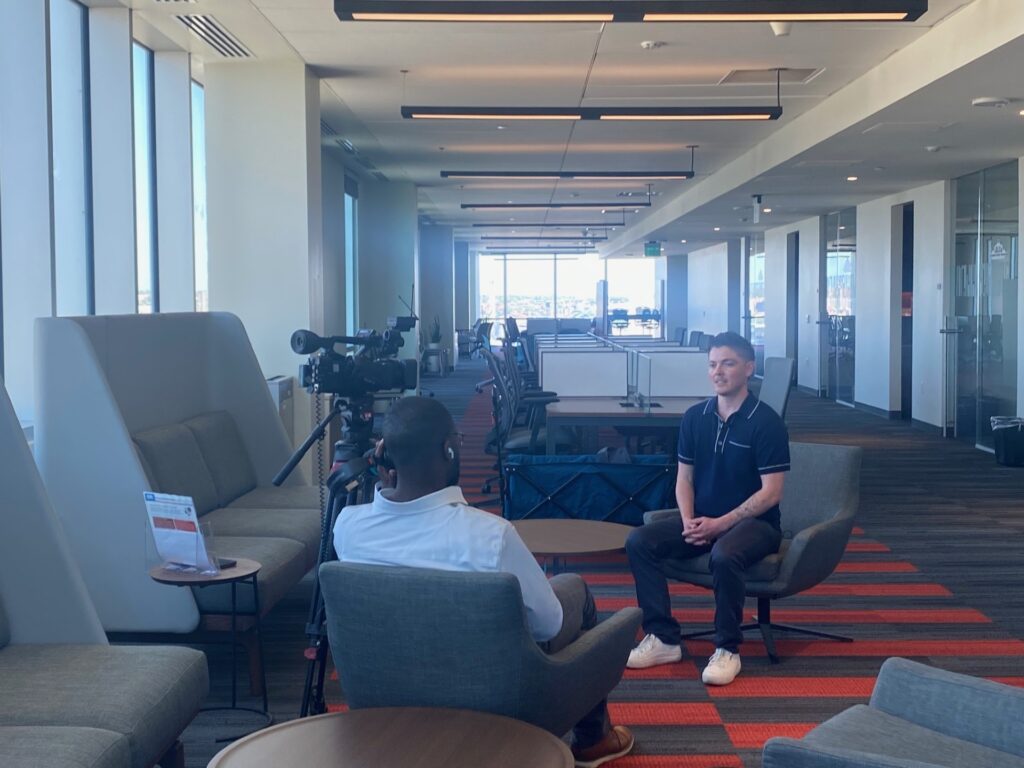
“Mental health is important because we all deserve the opportunity to thrive and to have the joy that we know is possible in our lives.” – Lundi Ramos, Executive Director, Kind Therapy Inc.
Impact Highlights
Kind Therapy’s model prioritizes access and trust by reducing administrative and financial barriers and offering longer-term, affordable care.
In their most recent grant cycle, 331 Denver residents accessed services through the pro bono therapy BIPOC Mental Health Program over two years, supported by 65 therapists and 6 staff members participating in culturally responsive training and support.
In 2025, 58% of new client outreach identified as Black, Indigenous, and People of Color, marking the first year BIPOC clients represented the majority of new clients served. This reflects sustained growth from previous years, demonstrating the effectiveness of Kind Therapy’s access-focused outreach in reaching communities historically underserved in mental health and substance misuse care.
Insurance gaps remain a significant barrier: 27% of clients were uninsured, 60% underinsured, and 13% covered by Medicaid, highlighting how traditional insurance models continue to limit access to supports. Despite these challenges, 55% of clients continued or completed therapy after the program ended. This highlights the value of reducing financial and administrative obstacles, as well as increasing access to specialized therapists for sustained engagement.
Among 191 surveyed participants, 94% felt comfortable navigating their intersectional identities and lived experiences with their therapist, and 94% reported gaining skills to better manage their mental health. Additionally, all 100 participants who sought therapy for substance misuse reported improved sobriety or healthier relationships with substances.
Participants in the BIPOC Mental Health Program shared that the space allowed them to show up fully without self-editing. Therapists described the space as supportive, affirming, and grounded in shared lived experience, translating to increased confidence, authenticity, and professional growth in their clinical work.