
Author: Byron Reed
October 22, 2036 | 9News
DENVER — A school-based program that brings peer mental health support and leadership training to students at DSST: Cole Middle and High School is helping them focus in class and prepare for life after graduation.
The program, Youth Building Legacy Now, is funded by Caring for Denver. It offers healing circles, arts-based workshops, peer mental health support and leadership development.
“Peer support programs are so important for young people,” said Lorez Meinhold, executive director of the Caring for Denver Foundation. “They’re more likely to open up to somebody that looks like them, that understands their context, what they’re going through.”
Caylei Walker, a 17-year-old junior at DSST: Cole High School, said she has been in the program since her freshman year. She said it has changed how she approaches school.
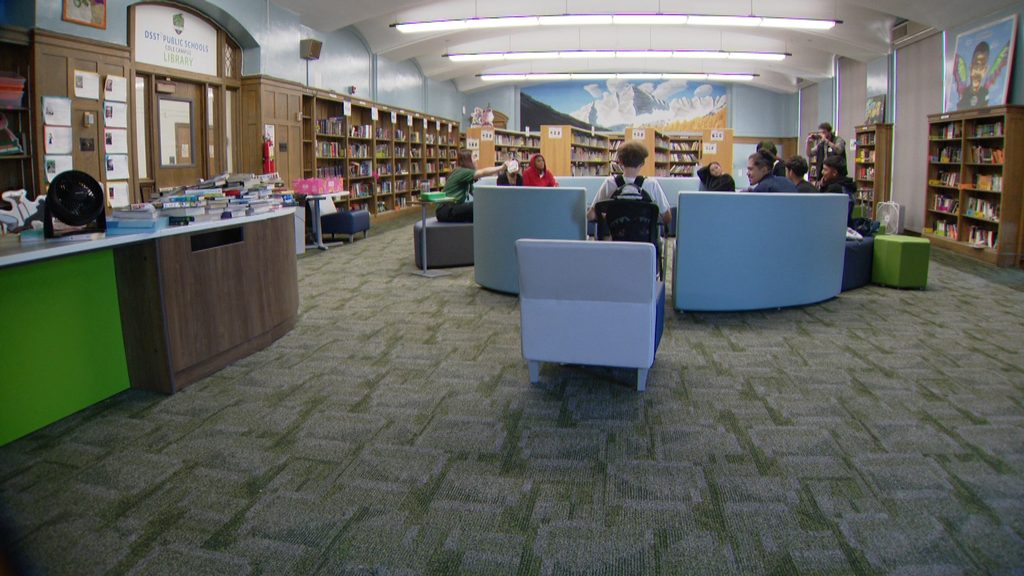
Image Courtesy of Byron Reed and 9News | Youth Building Legacy Now program brings peer mental health support and leadership training to students at DSST: Cole Middle and High Schools.
“Before I did the program, I struggled in class a lot,” Walker said. “But after the program, I feel like I understand all my subjects a little bit better.”
Walker described her earlier behavior in class as “class clown, goofing off in class.” She said she sometimes “was just slacking off, not paying attention.” Now, she said, she sees that her education matters and pays “really close attention” to what she is learning.
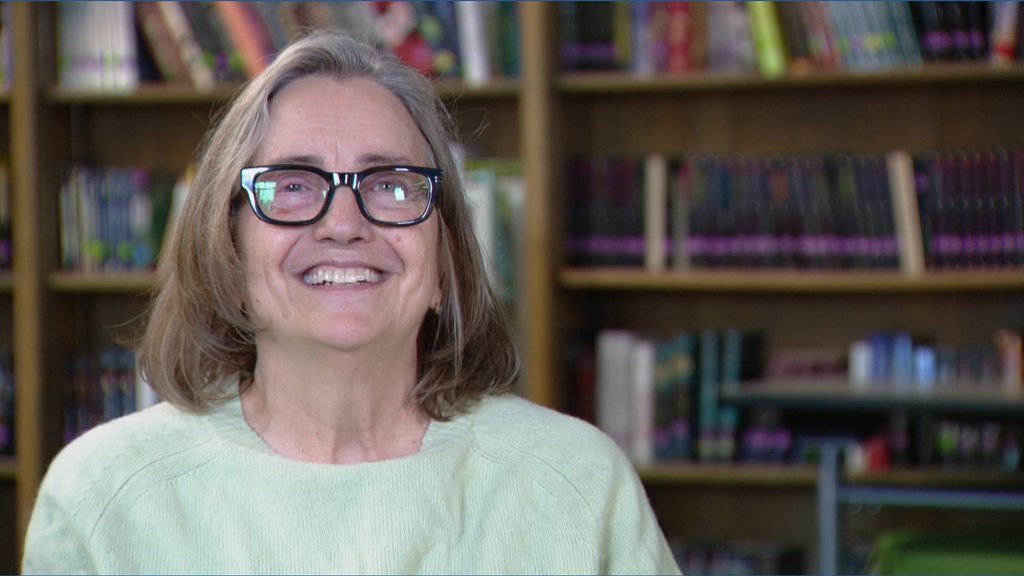
Image Courtesy of Byron Reed and 9News | Lorez Meinhold, executive director of the Caring for Denver Foundation.
Walker said the program is “really relaxed” and that she can feel confident being herself around others, and that it is easier to talk to someone her own age than to an adult.
“I feel like a kid around my age would understand what I’m talking about more than an adult,” Walker said.
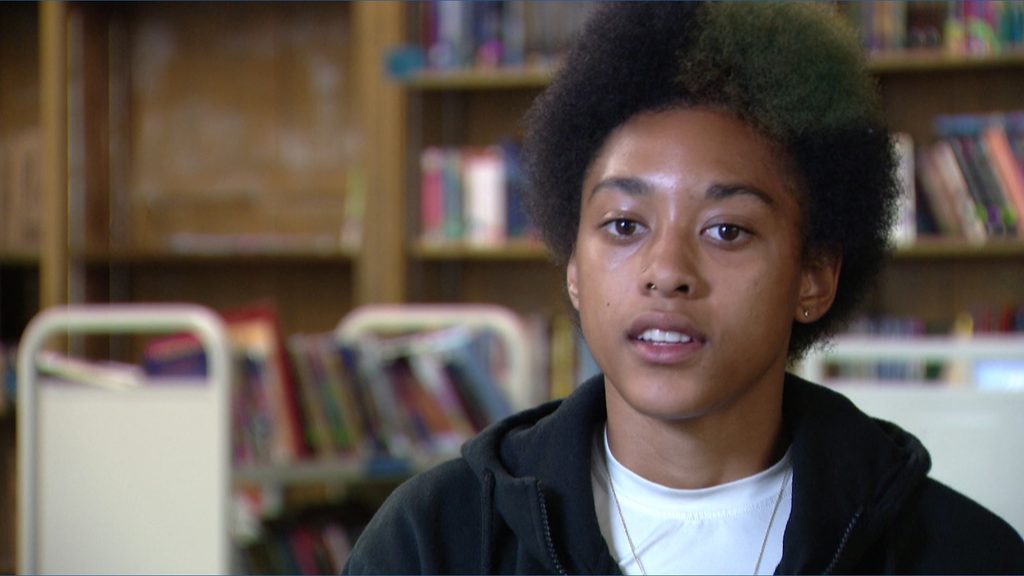
Image Courtesy of Byron Reed and 9News | Caylei Walker, a 17-year-old junior at DSST: Cole High School
Walker said the group sits in a circle, facing each other, and has conversations. Mentors help the group participate in activities, and she said that her biggest takeaway is maturity.
“I think it’s making me prepare for like the real, the real-life things that are going to happen after high school,” Walker said.
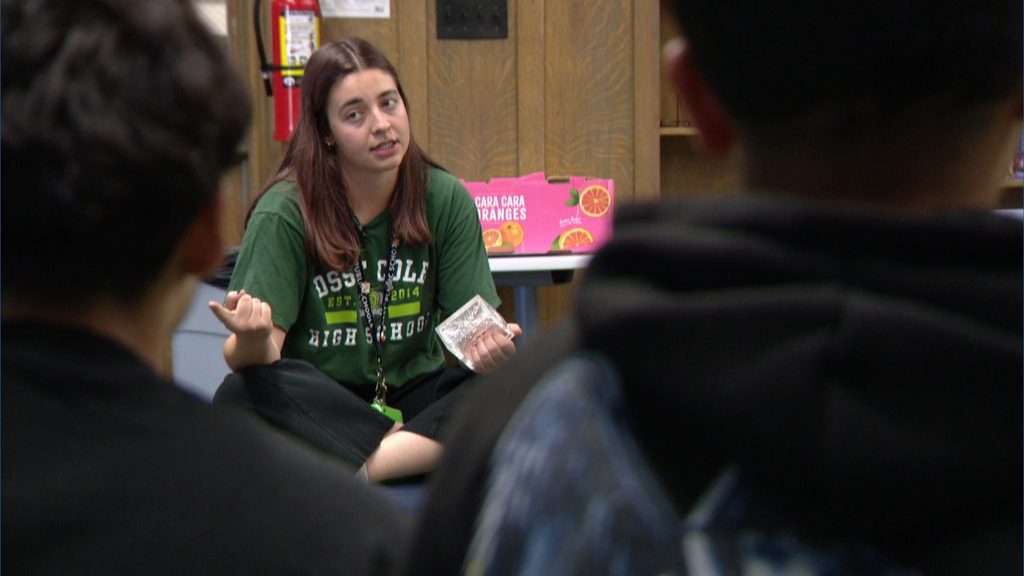
Image Courtesy of Byron Reed and 9News | Naomi Sanders, DSST public schools’ Youth Building Legacy Now program director leads a peer conversation at DSST: Cole.
Student leaders
According to the school, 11th and 12th graders serve as student leaders. They develop, budget for and facilitate peer mental health support groups on campus. Each group is planned and led with a trained mental health professional.
Michael Saiz, a 17-year-old senior at DSST: Cole High School, is a peer mentor. He said the program gives students weekly time to share what is on their minds.
“We get space once a week in order to just come release some of our thoughts, and then they ask us how we’re doing,” Saiz said. “Sometimes people need a checkup.”
Saiz said he was told he would be a role model, which he considers important because he is a youth. “A lot of people feel more comfortable around people their age,” he said.
He said he enjoys leading.
“I like being a leader,” Saiz said. He said talking with other students and relating to them “takes a lot of weight off my shoulders.”
Saiz said he also struggled when he started school.
“I’m not the only one who struggled with starting like school, going in, acting a fool,” he said, adding that he later adjusted because he needed to.
His hope for participants is that “everybody gets better at something,” such as social or leadership skills.
“If they’re so shy here, I want them to like leave and be able to talk to the people with confidence,” Saiz said.
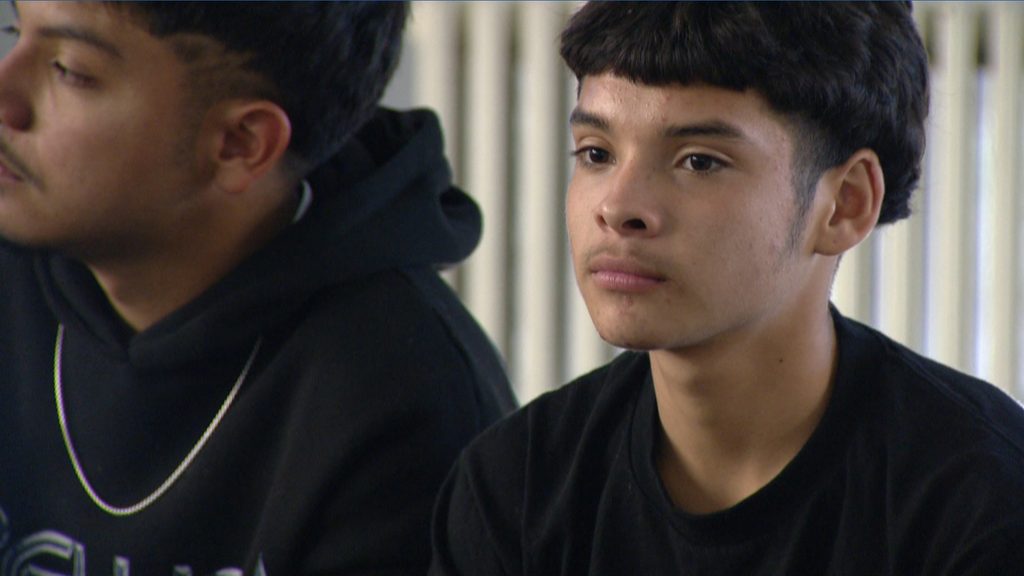
Image Courtesy of Byron Reed and 9News | Michael Saiz (right),17-year-old senior at DSST: Cole High School, is also a peer mentor.
Funding and need
Meinhold said Caring for Denver focuses mostly on mental health and substance misuse in the city and county of Denver because it is funded by a city sales tax. She said the foundation has seen more young people facing anxiety and mental health challenges and has been increasing its support.
According to Meinhold, the program was created at the request of youth and parents who wanted support closer to them. She said the program has seen more young people using its services.
“It started with nobody really showing up, and now they show up when they’re having those challenges,” Meinhold said.
Recent Healthy Kids Colorado Survey data show that 22% of high school students experienced persistent sadness or hopelessness, 10% considered suicide and 5% attempted suicide. Students who feel they belong at their school were 67% less likely to report persistent sadness or hopelessness, the survey found.
The 2025 results show some improvement from 2023. The share of students who agree their stress level is manageable most days rose to 61% from 58%. The share reporting persistent sadness or hopelessness fell to 22% from 26%.
Crisis Text Line reported that 60% of Colorado texters in 2025 said they reached out because they had no one else to talk to. Nationally, nearly half of its texters are under 18, and suicide was the most commonly discussed issue among those texters in 2025.
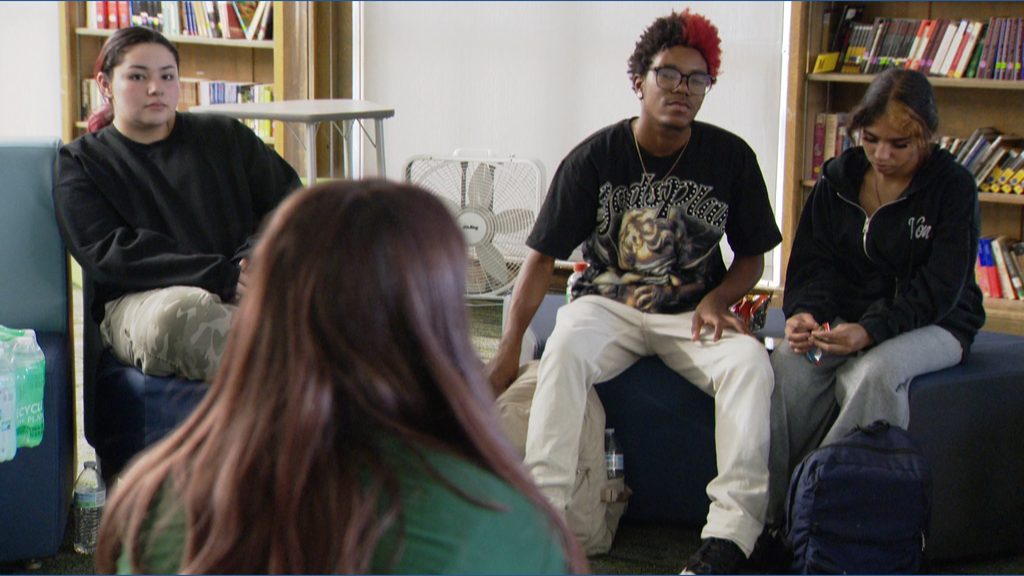
Image Courtesy of Byron Reed
How it works
The program runs weekly 45-minute sessions at the end of the school day for students in grades 6 through 12. It is offered at DSST: Cole Middle School, DSST: Cole High School, DSST: Elevate Northeast Middle School, DSST: Elevate Northeast High School and DSST: Green Valley Ranch High School.
Families can submit a referral form, and teachers and school staff can refer students directly. Students in the group should be excused from work missed during the session, according to the program.
Meinhold said she hopes participants are “better equipped to manage life’s challenges.”